
Finally an explanation that made sense
My bloodwork kept coming back “normal” while I felt anything but. Ruhi looked at my actual symptoms, not just the numbers, and things started to click.

Ruhi Rajput, widely regarded as the best dietitian in Gurgaon for women’s hormonal health, has helped clients get to the root of unexplained weight gain, mood swings, irregular cycles, and fatigue — not by treating each symptom separately, but by addressing hormonal balance as a whole. As a dedicated hormone diet consultant, she builds plans around what’s actually out of balance in your body, not a generic “eat clean” list.

Many women spend years being told their bloodwork is “normal” while still feeling far from their best. Hormonal imbalance often lives in that grey area — real, measurable through symptoms, but not always obvious on a standard panel.
“Hormonal imbalance” isn’t one single condition — it’s an umbrella covering insulin, estrogen, thyroid, and cortisol, all of which interact with each other. That’s why hormonal issues can show up as PCOS in one woman, thyroid dysfunction in another, and simply “unexplained” weight gain and fatigue in someone who hasn’t been diagnosed with anything specific at all.
This is exactly why generic hormone-balance advice often falls flat — it treats hormones as one thing to “detox,” when really, effective nutrition support depends on understanding which hormonal system is actually out of balance for you.
Often the clearest sign something’s off, and one of the first things worth tracking.
Difficulty losing weight despite effort, frequently tied to insulin or cortisol imbalance.
Closely linked to fluctuating estrogen, progesterone, and cortisol levels.
A common but often-overlooked sign, particularly thyroid or cortisol-related.
Acne, dryness, or thinning often connected to androgen or thyroid imbalance.
Frequently tied to insulin resistance or blood sugar swings.
If several of these sound familiar, even without a specific diagnosis, hormonal imbalance is often worth investigating through nutrition as a starting point.
Every plan starts with understanding your symptoms, cycle history, any existing diagnoses or reports, current diet, and lifestyle factors like stress and sleep. No generic “hormone detox” diet — just a real look at which hormonal system is actually out of balance for you.
Women with symptoms that haven’t been pinned down to a specific diagnosis yet
Women who’ve had bloodwork come back “normal” but still don’t feel like themselves
Anyone dealing with a combination of fatigue, weight changes, mood shifts, and irregular cycles
Women navigating a major life stage transition (post-pregnancy, approaching perimenopause)
Women who want a preventive, proactive approach to hormonal health rather than waiting for a diagnosis
Anyone who’s tried generic “hormone-balancing” teas, supplements, or detoxes without lasting change
Hormonal imbalance frequently underlies more specific conditions too — PCOS/PCOD, thyroid disorders, menopause and perimenopause, fibroids, and endometriosis. If you already have one of these diagnoses, the dedicated program for that condition will usually serve you better — this page is the starting point if your symptoms haven’t been pinned down yet.
Avocados, nuts, seeds, and ghee in the right amounts, since hormones are built from fat.
Whole grains, legumes, and vegetables support healthy estrogen clearance and stable blood sugar.
Helps stabilise blood sugar and reduce the insulin spikes that disrupt broader hormonal balance.
Broccoli, cauliflower, and cabbage support healthy estrogen metabolism.
One of the most direct levers for insulin and cortisol balance.
Irregular eating patterns can worsen cortisol and blood sugar swings.
As with every program here, this isn’t about eliminating entire food groups overnight — it’s about consistently supporting the systems that are currently out of balance.
Understanding your symptoms, cycle history, existing diagnoses or reports, and lifestyle factors.
Built around which hormonal system appears most affected, using real Indian meals.
Regular follow-ups to track how your symptoms, cycle, and energy are responding.
Hormonal health shifts over time, especially through different life stages.


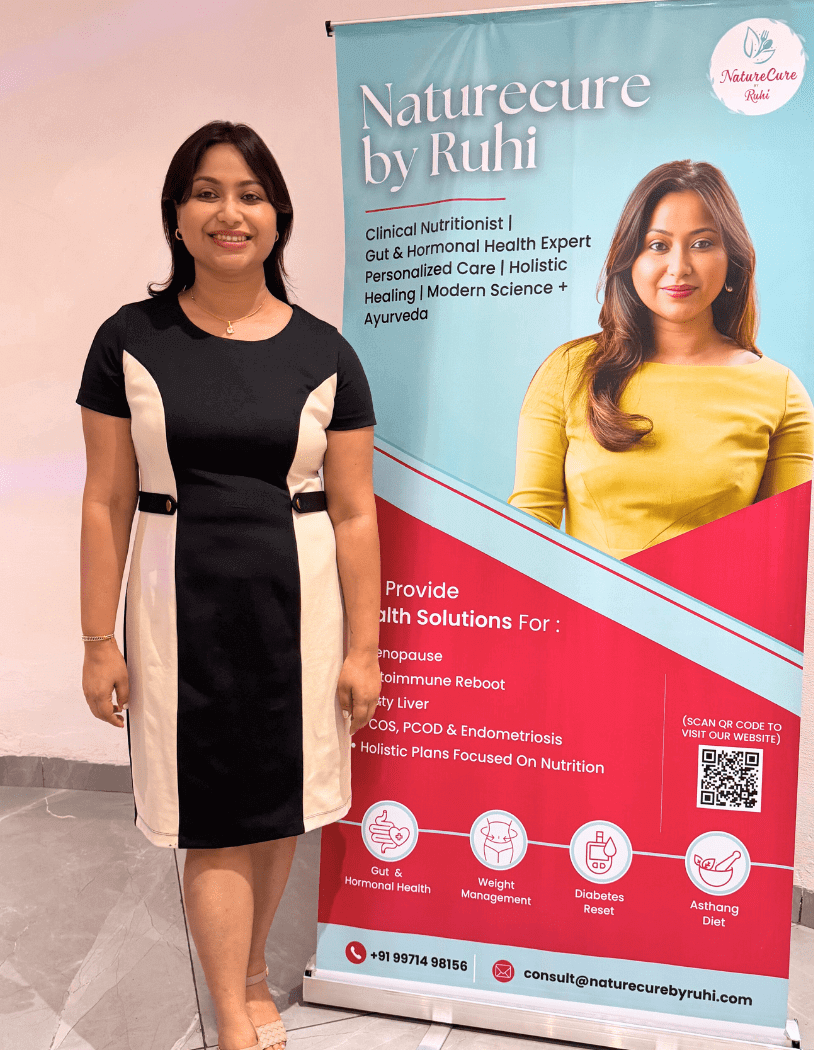

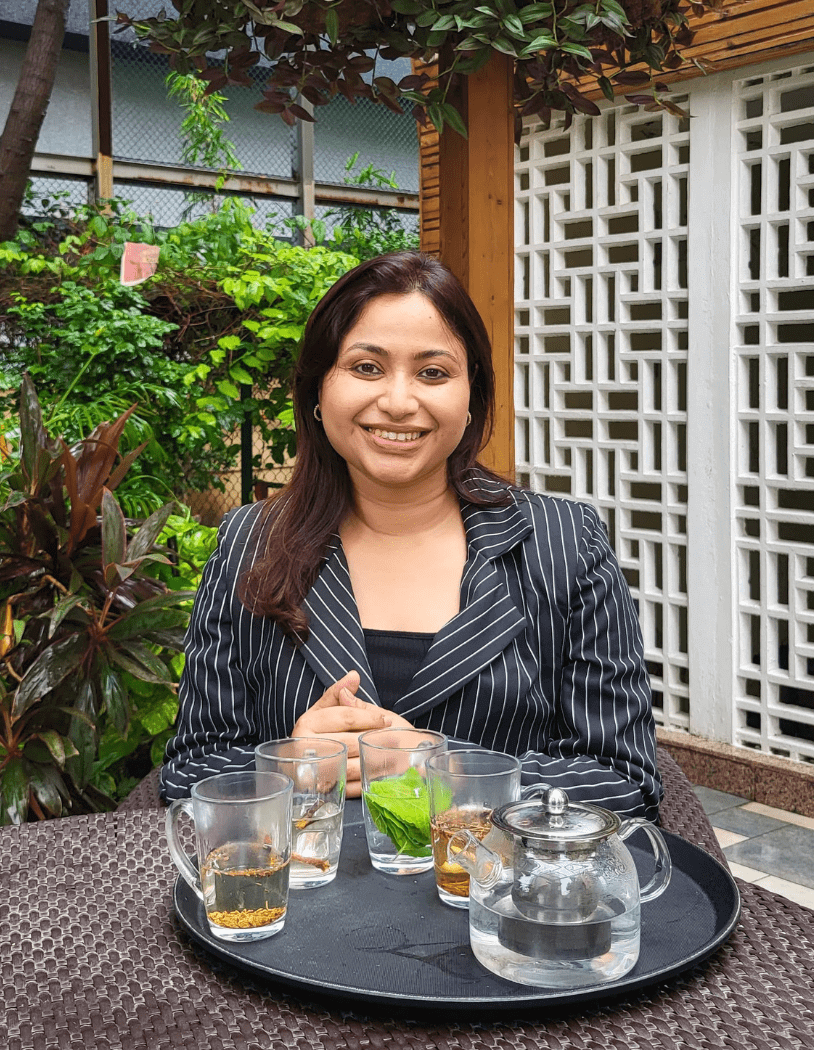

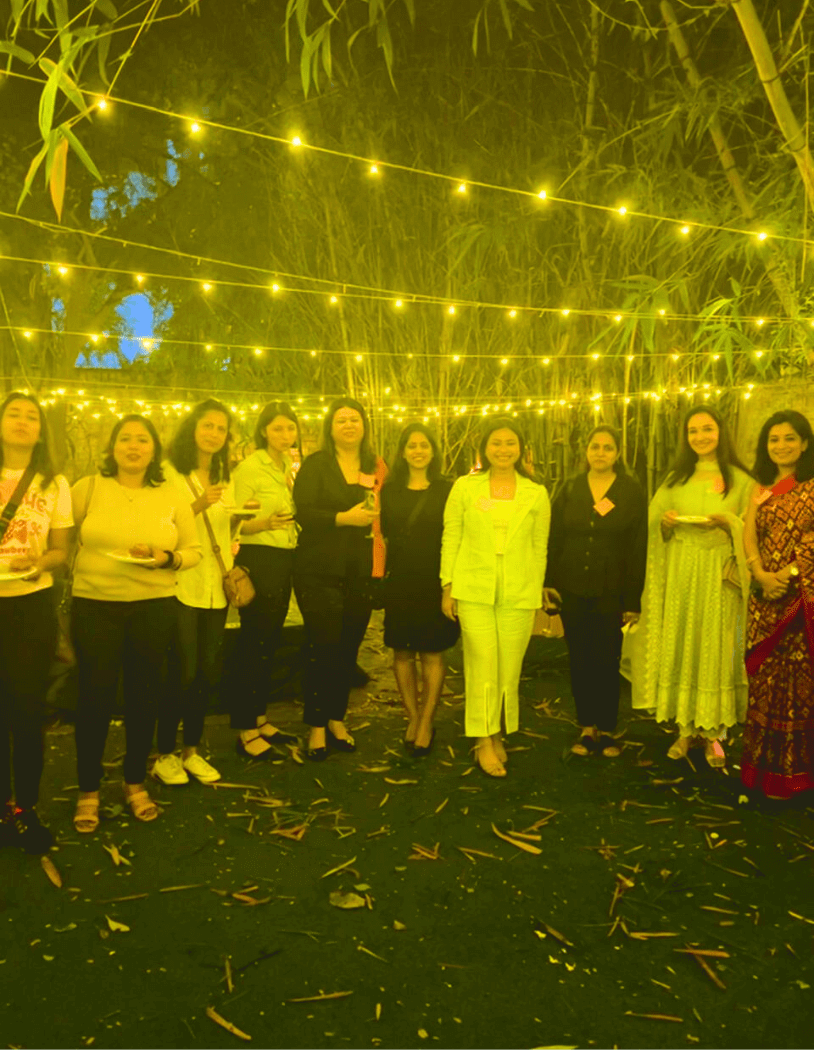
Beyond one-on-one consultations, Ruhi runs sessions where sustainable eating and hormonal health happen in real conversation — because genuine hormonal support isn’t just prescribed, it’s practiced.
Most hormone diet consultants in Gurgaon offer a single generic “hormone-friendly” meal plan. As a women’s hormone nutritionist working from both clinical and Ayurvedic principles, Ruhi’s approach treats your hormonal systems as interconnected rather than isolated — addressing insulin, estrogen, and stress hormones together, since they rarely act alone. This program also works alongside any medical treatment or monitoring you already have in place, rather than positioning diet as a replacement for it — the goal is genuine, sustainable hormonal support, not another restrictive diet trend.
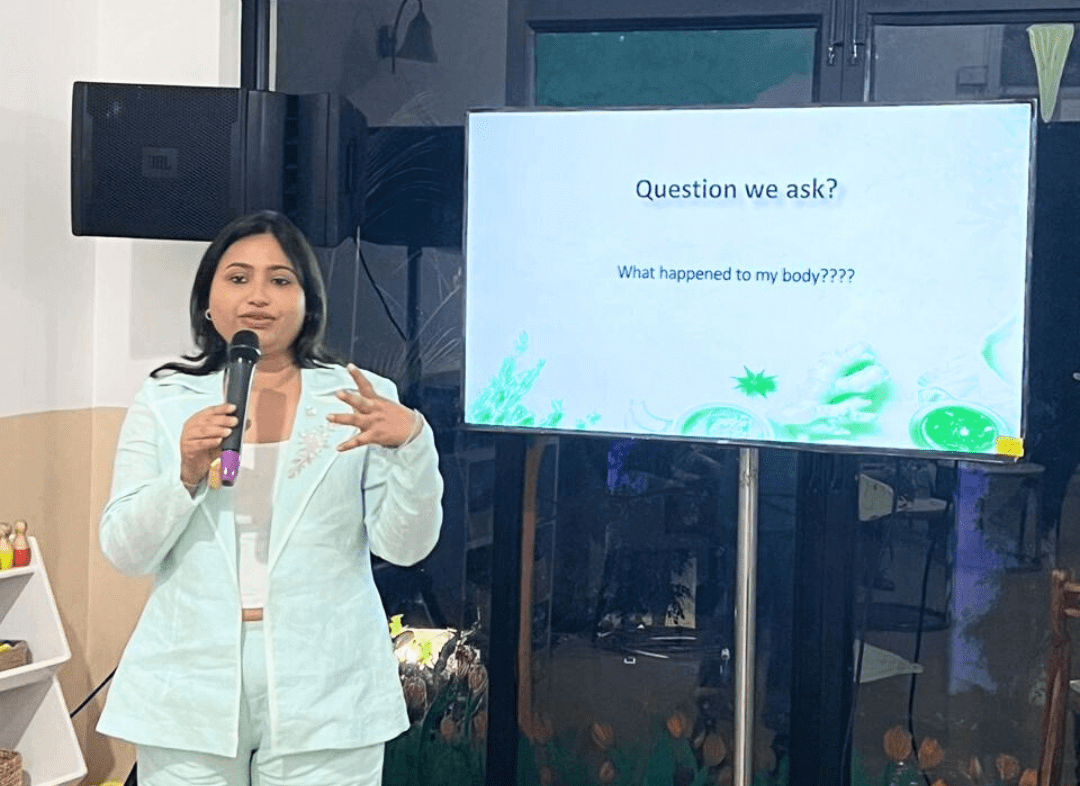
“Why do I feel like this?” is the question most clients arrive with, often after being told everything looks “normal.” Ruhi’s work walks through the real, root-cause answers on your specific hormonal systems — not just a list of foods to avoid — so the plan makes sense, not just what it asks of you.
Symptoms like irregular periods, unexplained weight gain, mood swings, and persistent fatigue are common signs worth investigating. A proper assessment — sometimes alongside blood work — helps confirm what’s actually happening, rather than guessing.
Not necessarily to begin, though reports (like hormone panels or thyroid tests) help build a more precise plan if you have them. We can start with a symptom-based approach and refine as reports come in.
Yes — this program is the starting point for women whose symptoms suggest hormonal imbalance without a specific diagnosis yet. If you already have a diagnosis like PCOS, thyroid, or you’re navigating menopause, the dedicated program for that condition will usually serve you better.
Yes — this is genuinely common. Hormonal imbalance can affect how your body stores fat and regulates hunger, meaning a “healthy” diet that ignores hormonal factors can still fail to produce results.
Many women notice better energy and fewer cravings within a few weeks. Cycle regularity and weight changes usually take longer, often 2–3 months, since hormonal shifts take time.
Yes. The assessment, plan, and follow-up structure are the same whether you consult your dietitian online or visit the Gurgaon clinic in person.
The terms are largely used interchangeably for this kind of care. Ruhi is a qualified dietitian with additional training in Ayurveda, giving you both clinically precise guidance and a more holistic hormonal approach.
Online and in-clinic consultations available in Sector 54, Golf Course Road, Gurugram.
Book a consultation