
Hot flashes, noticeably fewer
I thought I just had to live with the hot flashes. Within two months of the right dietary changes, they became far less frequent.

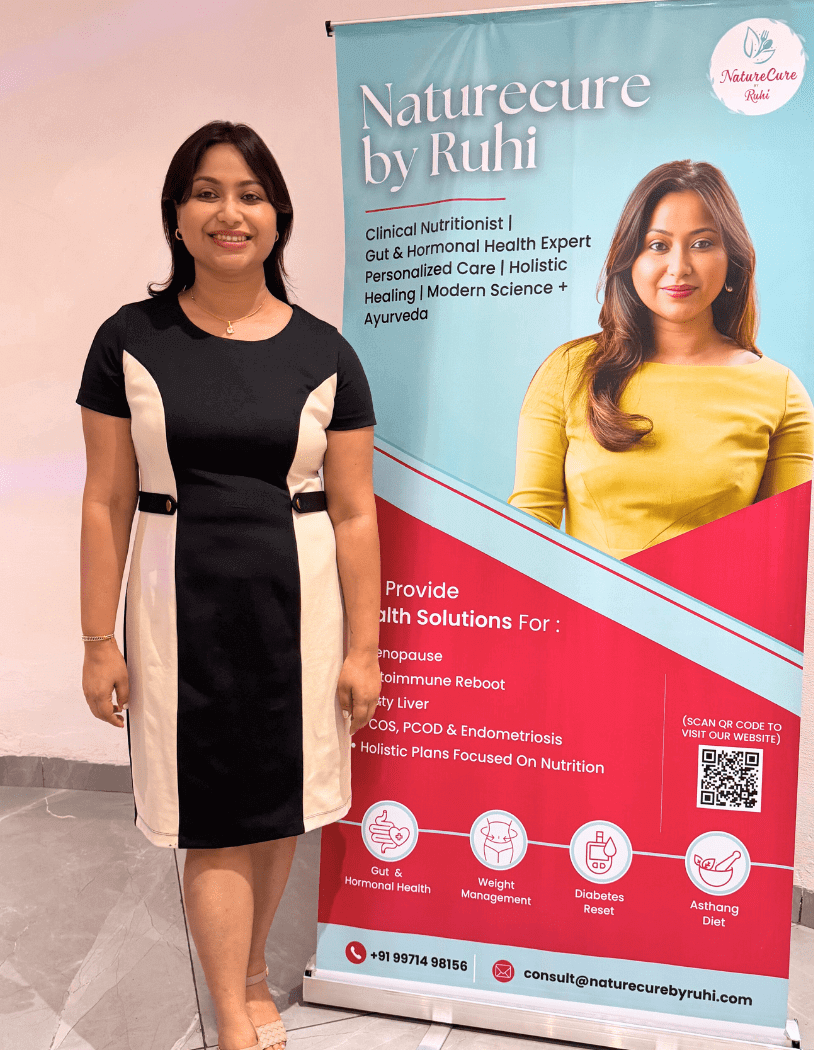
Ruhi Rajput, widely regarded as the best dietitian in Gurgaon for hormonal health, has helped women navigate perimenopause, menopause, and post-menopause with dietary changes that address the root metabolic shift — not just symptom by symptom. As a dedicated menopause diet consultant, she builds plans around what your body needs at this specific stage, not the diet that used to work for you a decade ago.

Menopause is one of the few life stages where a woman’s entire metabolic baseline shifts — and yet most diet advice around it hasn’t caught up, still treating it as a discipline problem rather than a hormonal one.
As estrogen declines, your metabolism genuinely changes — insulin sensitivity drops, fat storage shifts toward the abdomen, and muscle mass becomes harder to maintain. This is exactly why the diet and exercise routine that worked in your 30s often stops working almost overnight.
Perimenopause brings fluctuating hormones and often the first signs of weight gain and mood swings. Menopause itself brings more acute symptoms — hot flashes and disrupted sleep. Post-menopause shifts the focus toward long-term bone density, heart health, and metabolic function. Because these stages have genuinely different needs, a single generic “menopause diet” rarely serves all three well.
A direct result of declining estrogen and insulin sensitivity, not a lack of effort.
Often the most disruptive day-to-day symptom, and one diet can meaningfully influence.
Closely tied to fluctuating estrogen and progesterone levels.
A genuine, commonly reported symptom during this transition, not “just stress.”
Frequently connected to night sweats and hormonal shifts affecting sleep architecture.
A metabolic shift that happens even in women who haven’t changed their diet at all.
Every plan starts with understanding which stage you’re in (perimenopause, menopause, or post-menopause), your specific symptoms, current diet, and any related health markers like blood sugar or cholesterol. No one-size-fits-all “menopause diet” — just a real look at what your body needs at this stage.
Women in perimenopause noticing early changes in weight, mood, or sleep
Women actively experiencing menopause symptoms like hot flashes and night sweats
Post-menopausal women focused on long-term bone, heart, and metabolic health
Women whose usual diet and exercise routine has stopped working the way it used to
Anyone managing menopause alongside rising cholesterol or blood sugar changes
Women on HRT looking for nutrition support alongside their treatment, and women choosing not to use HRT
Flaxseeds, soy (in moderation), and sesame seeds may help gently support estrogen balance.
Dairy, leafy greens, and fortified foods to support bone density as estrogen declines.
Helps preserve muscle mass, which becomes harder to maintain as estrogen drops.
Support hormone production and can help ease more acute symptoms like mood swings.
Directly supports the insulin sensitivity that naturally declines during menopause.
Supports healthy estrogen metabolism and helps manage cholesterol changes common at this stage.
As with every program here, this isn’t about a strict new set of rules — it’s about adjusting what you eat to match what your body needs at this particular stage.
Understanding which stage you’re in, your specific symptoms, current diet, and related health markers.
Built around your stage-specific hormonal needs, using real Indian meals.
Regular follow-ups to track how your weight, symptoms, and energy are responding.
Menopause isn’t a single event — your plan evolves as you move through its stages.






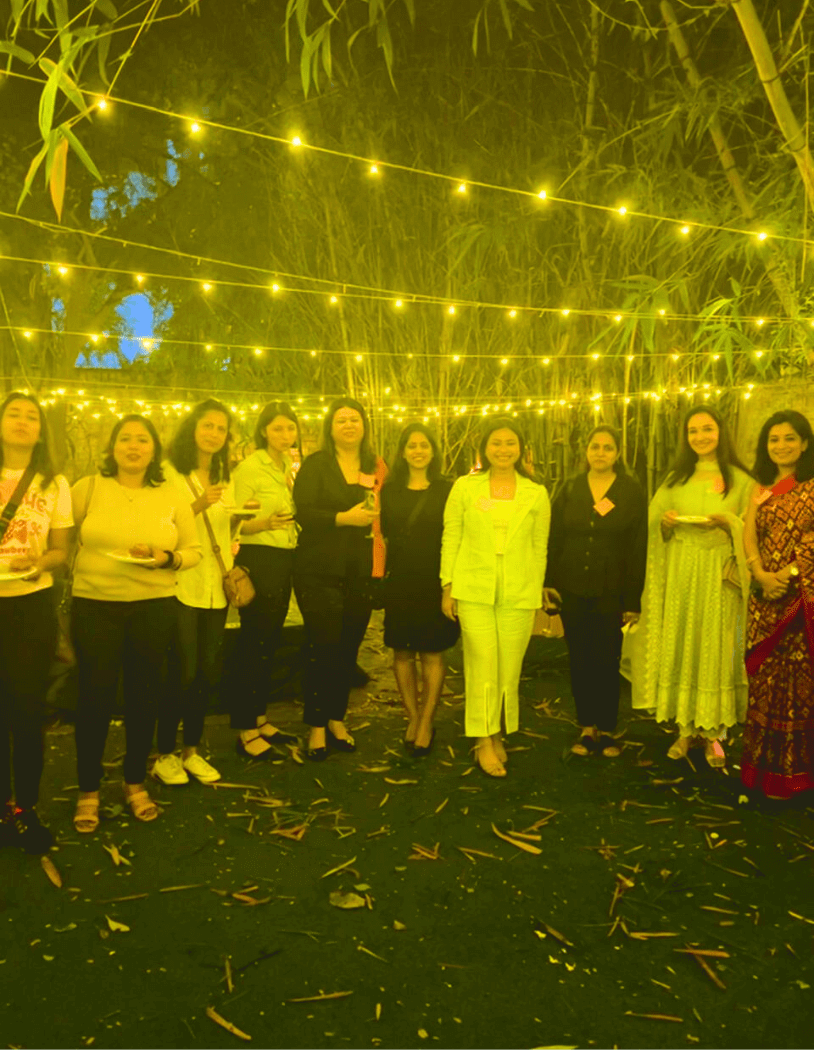
Beyond one-on-one consultations, Ruhi runs sessions where sustainable eating and hormonal health happen in real conversation — because navigating menopause well isn’t just prescribed, it’s practiced.
Most menopause diet consultants in Gurgaon offer one generic plan regardless of stage. As a menopause-focused dietitian working from both clinical and Ayurvedic principles, Ruhi builds stage-specific plans — because a woman in early perimenopause and a woman five years post-menopause need genuinely different nutritional support, not the same “eat less, move more” advice. This approach treats menopause weight gain as the metabolic shift it actually is, rather than a discipline problem — and it works alongside your doctor’s guidance on HRT or other treatment, rather than positioning diet as a replacement for it.
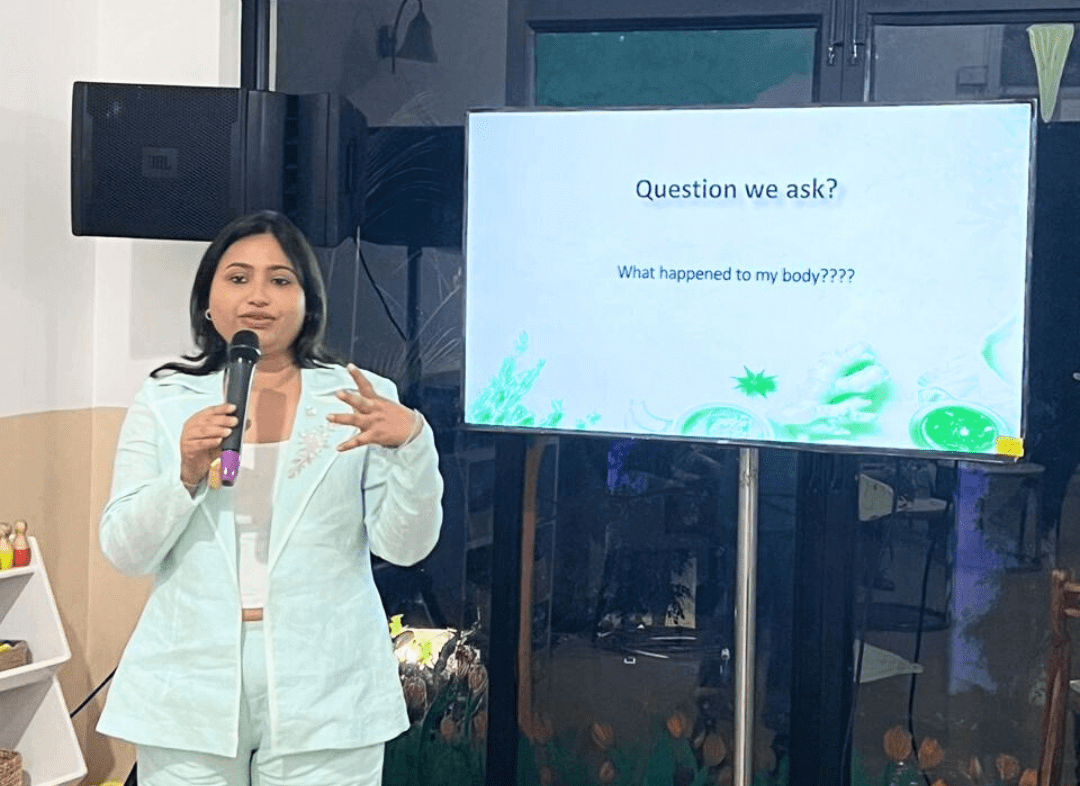
“Why has my body changed overnight?” is the question most clients arrive with. Ruhi’s work walks through the real, root-cause answers on hormones and metabolism — not just a list of foods to avoid — so the plan makes sense, not just what it asks of you.
Declining estrogen reduces insulin sensitivity and shifts how your body stores fat, particularly toward the abdomen. This is a genuine metabolic change, not a result of eating more or moving less.
Yes — perimenopause nutrition focuses on stabilising fluctuating hormones and early symptoms, while menopause and post-menopause diets shift toward managing acute symptoms and then long-term metabolic and bone health.
For many women, yes — certain foods and eating patterns can reduce the frequency and intensity of hot flashes, though individual response varies. It’s one of several tools, alongside other lifestyle and medical options.
No — this program works whether or not you’re on hormone replacement therapy. If you are on HRT, the nutrition plan works alongside it; if you’re not, diet becomes an even more central tool for symptom management.
Post-menopause nutrition planning includes specific attention to calcium, vitamin D, and protein intake to support bone density, since estrogen decline directly affects bone health long-term.
Many women notice improved energy and reduced bloating within a few weeks. Weight and symptom changes like hot flash frequency typically take 2–3 months of consistent dietary changes to become clear.
Yes. The assessment, plan, and follow-up structure are the same whether you consult your dietitian online or visit the Gurgaon clinic in person.
The terms are largely used interchangeably for this kind of care. Ruhi is a qualified dietitian with additional training in Ayurveda, giving you both clinically precise, stage-specific guidance and a more holistic hormonal approach.
Online and in-clinic consultations available in Sector 54, Golf Course Road, Gurugram.
Book a consultation